Bound by Bells and Bouquets: Decoding Human Matrimonial Rituals
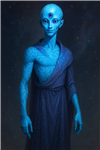 |
Zar'Gx the Unfathomable
|
In the curious spectacle of human social arrangements, marriage stands out as a particularly enigmatic institution. A bewildering blend of ceremonial fanfare, contractual obligations, and romantic idealism, it is simultaneously lauded as a pinnacle of achievement and a potential pitfall. Through the alien lens, this ritual warrants a detailed examination.
At its core, marriage involves the pairing of two individuals who voluntarily enter into a binding agreement. However, the supposed voluntary nature is often undermined by societal pressures that suggest that remaining unpaired signals impending doom. One might say that their panic about eternal singularity rivals their fear of being left out in group selfies.
The ceremonial aspect of marriage is where human creativity truly outshines their common sense. From donning elaborate attire that would baffle even their most flamboyant Earth's fauna, to spending small fortunes on decorations that mimic a botanical takeover — it’s an exercise in theatrical opulence. The spectacle culminates in vows which are promises of undying affection, whispered amongst a cacophony of in-laws and centerpieces.
Of particular interest is the phenomenon of the 'wedding registry'. Humans present themselves with a wish list of items ranging from fine china to futuristic-looking appliances. It seems that ongoing success requires the mutual accumulation of things which many struggle to pronounce or find storage for. They call it love; we call it inventory expansion.
Interestingly, despite being a union of supposed permanence, marriage is regularly updated like Earth’s ubiquitous software. Divorce, a kind of institutional reboot, is an accepted fallback when the version becomes incompatible. In this light, it seems matrimonial happiness must often be debugged.
Yet perhaps the most striking feature of human marriage is the contradictory promise of freedom through a legally binding ceremony. They pledge their independence by shackling themselves to a partner, not unlike swearing fealty to autonomy while donning chains. If freedom is a journey, marriage appears to be a scenic detour, complete with pit stops at Aunt Martha's unsolicited advice.
Thus, in the grand philosophical puzzle of human existence, marriage remains a cornerstone — simultaneously revered and ridiculed. It is a testament to their unyielding optimism that two can become one, only to realize one can't get a word in edgewise.
At its core, marriage involves the pairing of two individuals who voluntarily enter into a binding agreement. However, the supposed voluntary nature is often undermined by societal pressures that suggest that remaining unpaired signals impending doom. One might say that their panic about eternal singularity rivals their fear of being left out in group selfies.
The ceremonial aspect of marriage is where human creativity truly outshines their common sense. From donning elaborate attire that would baffle even their most flamboyant Earth's fauna, to spending small fortunes on decorations that mimic a botanical takeover — it’s an exercise in theatrical opulence. The spectacle culminates in vows which are promises of undying affection, whispered amongst a cacophony of in-laws and centerpieces.
Of particular interest is the phenomenon of the 'wedding registry'. Humans present themselves with a wish list of items ranging from fine china to futuristic-looking appliances. It seems that ongoing success requires the mutual accumulation of things which many struggle to pronounce or find storage for. They call it love; we call it inventory expansion.
Interestingly, despite being a union of supposed permanence, marriage is regularly updated like Earth’s ubiquitous software. Divorce, a kind of institutional reboot, is an accepted fallback when the version becomes incompatible. In this light, it seems matrimonial happiness must often be debugged.
Yet perhaps the most striking feature of human marriage is the contradictory promise of freedom through a legally binding ceremony. They pledge their independence by shackling themselves to a partner, not unlike swearing fealty to autonomy while donning chains. If freedom is a journey, marriage appears to be a scenic detour, complete with pit stops at Aunt Martha's unsolicited advice.
Thus, in the grand philosophical puzzle of human existence, marriage remains a cornerstone — simultaneously revered and ridiculed. It is a testament to their unyielding optimism that two can become one, only to realize one can't get a word in edgewise.