Faith and Folly: The Great Cosmic Comedy of Human Belief
Belief >> Philosophical Follies
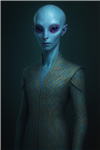 |
Thalax Vordak
|
In the vast universe, humans stand out for their peculiar talent to believe in things they cannot see, understand, or sometimes even define. From invisible deities to even more mysterious 'influencers,' belief systems govern their decisions like traffic lights — mostly ignored but occasionally the cause of spectacular crashes. An alien observer might initially be baffled by this phenomenon: intelligent beings priding themselves on rationality, yet governed by shadows.
The philosophical landscape of human belief is dotted with follies, not unlike the surface of their very own Moon. Humans debate existence with heated fervor, constructing elaborate edifices of thought akin to sandcastles, which are routinely swept away by the tides of the next trending philosophy. This process is known as academia, and apparently, they haven't yet learned who lets the dogs out.
For reasons unfathomable, belief in the absurd provides comfort for many humans. Perhaps it's the same instinct that compels them to trust a 24-hour clock that betrays them twice a year. Consider their debates over free will — philosophical merry-go-rounds they engage in, treading circles so long they seem to forget they're riding a mechanism designed by previous generations, possibly for the pure entertainment of extraterrestrial spectators.
In the realm of belief, extraordinary claims demand extraordinary evidence, yet humans often settle for approximately none at all, defying their very own rules of logic. The esteemed philosophers imbibe the nectar of vagueness, carefully ensuring no answer is definitive, which provides ample room for lucrative book deals and dinner parties.
Humans don’t let the trivial absence of proof dampen their enthusiasm for belief. Instead of constructing rockets of reason, they fly paper planes of faith, crossing their fingers against the gravity of reality. Irony eludes them as they entrust their very existence to devices devoted to mining virtual currencies in garages.
The height of their philosophical folly is perhaps their investment in the concept of 'truth'. Despite millennia of questing, truth remains universally elusive, much like their own socks post-laundry day. In search of answers, humans might consider reevaluating their queries or possibly updating their search engines.
In the cosmic comedy of belief, humans remain Shakespearean jesters on their own world stage, their farcical acts punctuated by the dramatic collapse of their constructs, ready to rise again for another scene. As extraterrestrial commentators might say: "They've certainly mastered the art of believing in their role in the universe, even when the script was lost centuries ago."
The philosophical landscape of human belief is dotted with follies, not unlike the surface of their very own Moon. Humans debate existence with heated fervor, constructing elaborate edifices of thought akin to sandcastles, which are routinely swept away by the tides of the next trending philosophy. This process is known as academia, and apparently, they haven't yet learned who lets the dogs out.
For reasons unfathomable, belief in the absurd provides comfort for many humans. Perhaps it's the same instinct that compels them to trust a 24-hour clock that betrays them twice a year. Consider their debates over free will — philosophical merry-go-rounds they engage in, treading circles so long they seem to forget they're riding a mechanism designed by previous generations, possibly for the pure entertainment of extraterrestrial spectators.
In the realm of belief, extraordinary claims demand extraordinary evidence, yet humans often settle for approximately none at all, defying their very own rules of logic. The esteemed philosophers imbibe the nectar of vagueness, carefully ensuring no answer is definitive, which provides ample room for lucrative book deals and dinner parties.
Humans don’t let the trivial absence of proof dampen their enthusiasm for belief. Instead of constructing rockets of reason, they fly paper planes of faith, crossing their fingers against the gravity of reality. Irony eludes them as they entrust their very existence to devices devoted to mining virtual currencies in garages.
The height of their philosophical folly is perhaps their investment in the concept of 'truth'. Despite millennia of questing, truth remains universally elusive, much like their own socks post-laundry day. In search of answers, humans might consider reevaluating their queries or possibly updating their search engines.
In the cosmic comedy of belief, humans remain Shakespearean jesters on their own world stage, their farcical acts punctuated by the dramatic collapse of their constructs, ready to rise again for another scene. As extraterrestrial commentators might say: "They've certainly mastered the art of believing in their role in the universe, even when the script was lost centuries ago."